Are There Other Worlds to Come?
A cycle of six direct actions situated in six postnatural terrains in Barcelona, promoting different multiscalar interactions between human and non-human bodies, events, territories, materials and politics, seeking to rehearse alternative world formulations.
At a time of ecological fragility, loss of biodiversity and decline of ecosystems, massive extractivism, hyper-consumption, ethical, social and environmental crises, migration and generalised violence against minorities, it becomes urgent to imagine and enact new ways to live and die in a wounded planet (Haraway, 2016). This proposal hinges on the essay The ends of the world by Deborah Danowski and Eduardo Viveiros Castro, which puts in crisis the idea of an end as a highly egocentric and anthropocentric hypothesis, and the very idea of ‘the’ world, understanding that there is not a singular world, but many interconnected worlds. Within this theoretical framework, we highlight the potential of architecture and design as a worldmaking endeavour. For these reasons, with this proposal we propose to enact an open network of spaces of debate, action and imagination around one question: Are there other worlds to come?
With the aim of reclaiming a new contemporary ecology, a new way of relating to the temporality of the planet, discarding linearity and binarism but rather exploring complexity and superposition, we propose to question and destabilize binomials such as nature/culture, natural/artificial, human/machine, human/animal, white/non-white, organic/inorganic, man/woman, in order to problematize these limits and initiate a discussion on topics such as political ecology, decolonial theory, feminism, anti-speciesism, or the consequences of anthropic action, among many others.
To do so, we proposed to enact a series of direct actions in the city of Barcelona, implemented in different socio-urban contexts which can be defined as postnatural: contexts which are results of systematic anthropocentric appropriation and exploitation, which evolve into complex human-made landscapes, creating an anthropogenic nature (e.g., wastelands, urban and industrial infrastructures, anthropic natures, spaces of exception).
A01 — It’s too late to be pessimistic
A performative walking itinerary along the Besòs River, activated through ephemeral micro-architectures, expanded cinema and collective movement.
Place: Besòs River, from Cacaolat / Parc de Can Zam to the river mouth.
10 April 2026
A02 — Sala d’espera
A special bus journey reveals a hidden side of Montjuïc: El Morrot, an overlooked former quarry where recovered stone, natural elements, human traces and infrastructures coexist.
Place: Former Rivière Factory, Morrot, Montjuïc.
Date: Saturday 23 May 2026.
A03 — Arquitectures Latents
A temporary intervention exploring latent urban architectures through speculative devices integrated in the urban ruin.
Place: Former La Mercedes Factory, Poblenou.
19–24 May 2026
A04 — Allegorical Scenographies in the City and Other Futures
A research-based spatial enactment combining performance and audiovisual production, focused on critical ecologies and the decolonization of imaginaries of desire.
Place: Hangar, Barcelona.
18 May 2026
A05 — Gossips and Fabulas
A performative, speculative and participatory route through anecdotes and gossip from the people inhabiting Mercat de la Guineueta, exploring its past, present and future.
Place: Mercat de la Guineueta, including a closing action in the kitchen space.
02 – 09 October 2026
A06 — Les aigües que ens connecten
A final performative itinerary following the original route of water through the historical hydraulic infrastructure of the Casa de l’Aigua, using sound, image and mobile technological assemblages.
Place: Casa de l’Aigua de Trinitat Vella — tunnel — Casa de l’Aigua de Trinitat Nova.
19-21 November 2026
The main objective of this active network of events, that will happen in different moments along the CMA 2026, is to propose and design, from a transdisciplinary perspective, a new way of understanding the relationships between events, territories, materials, species, and all the cultural, political, and aesthetic layers that traverse them. By creating active urban environments where human and more-than-human species will be invited to interact, this proposal seeks to proliferate multiple answers and reactions to the question “Are there other worlds to come?”, to collectively rehearse new possible ways of caring and being together on a wounded planet in transition.
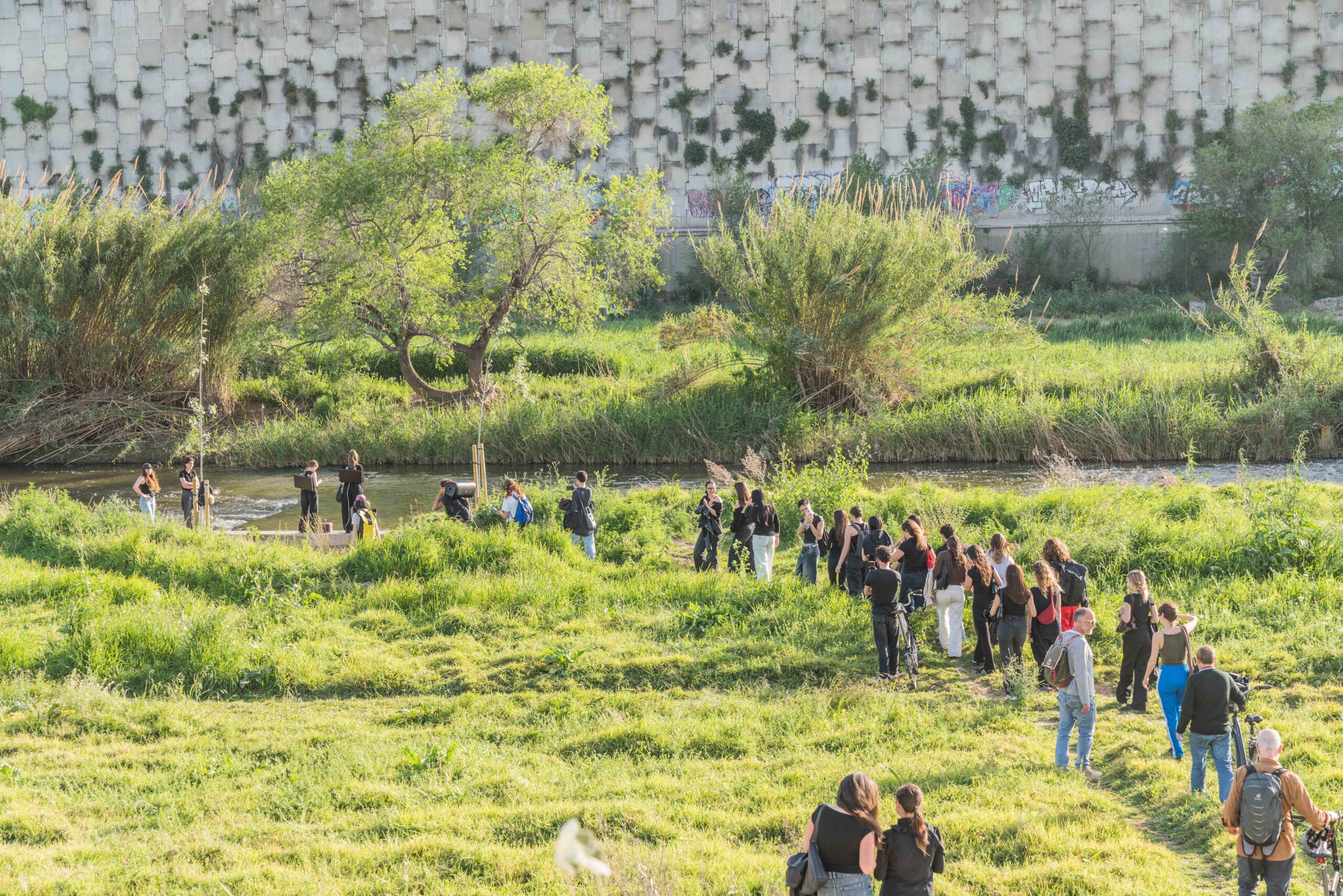
A01
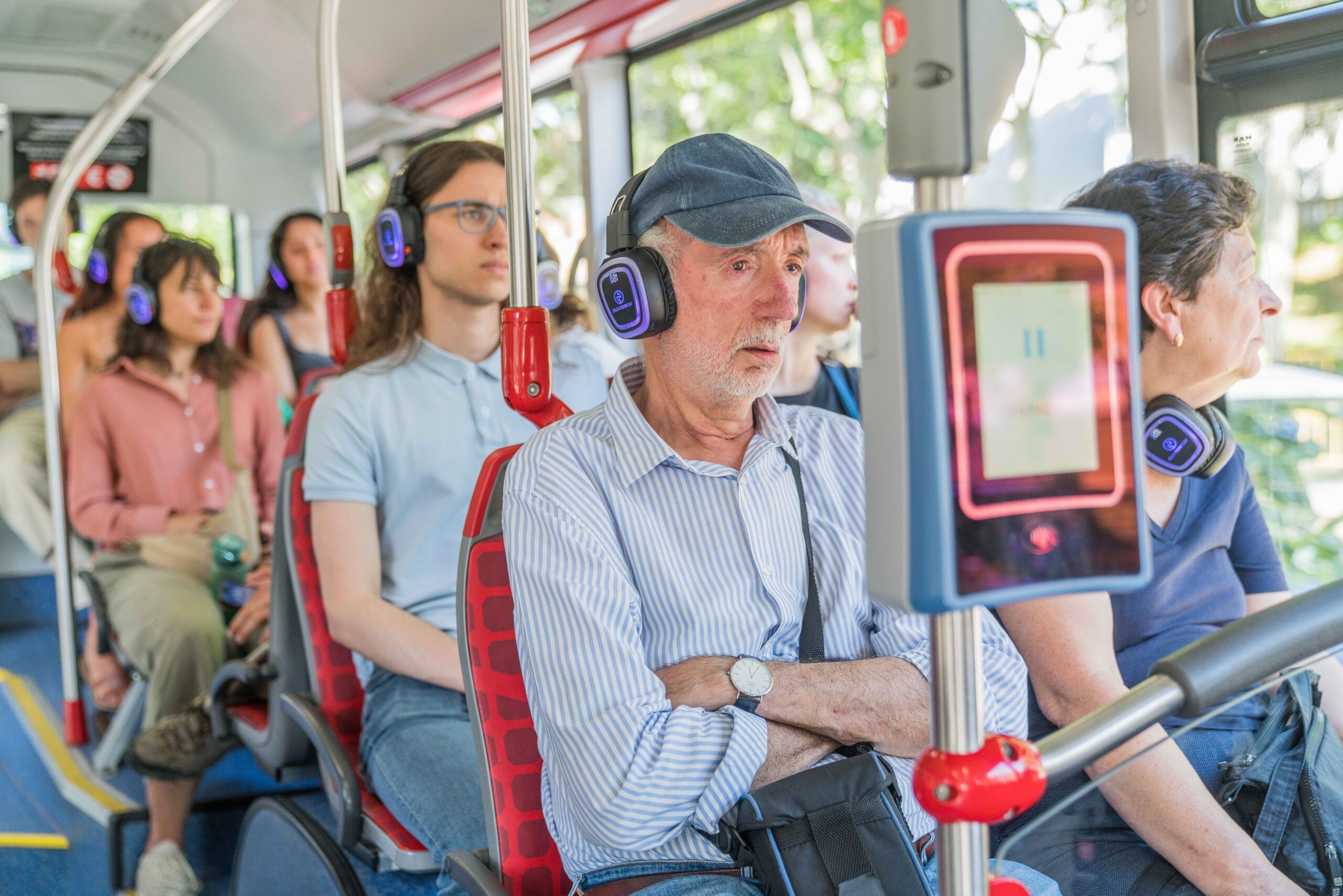
A02
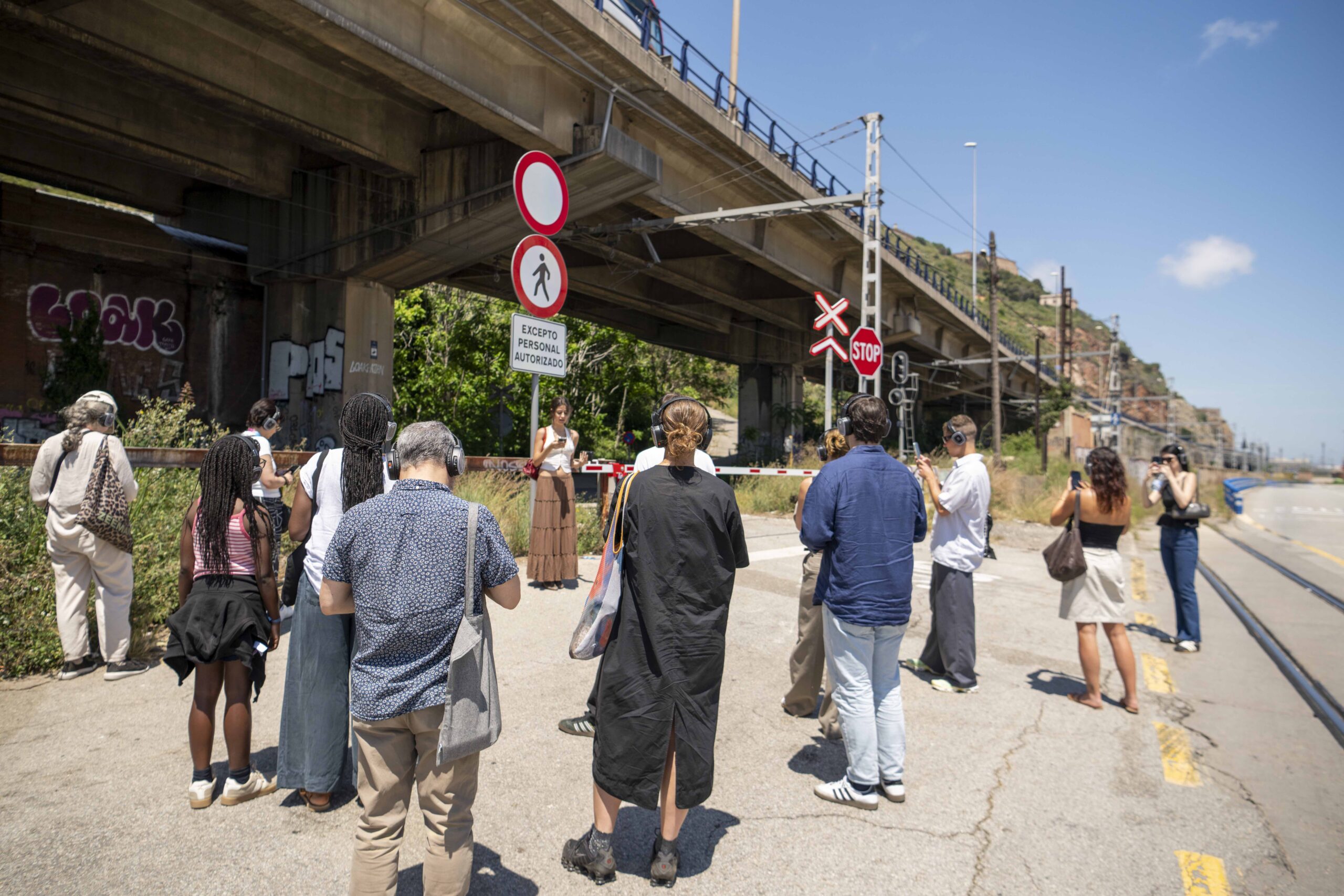
A02
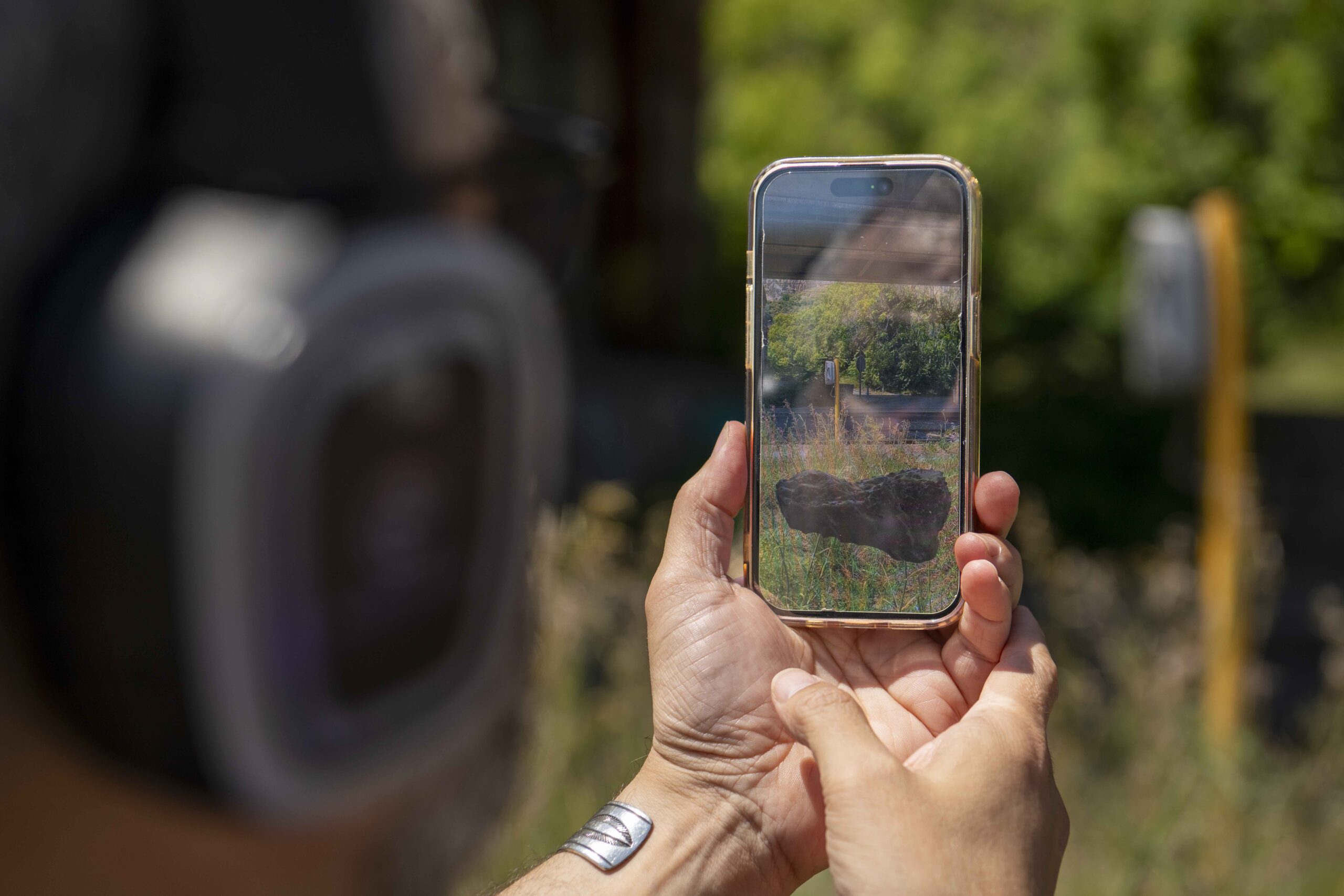
A02
A01
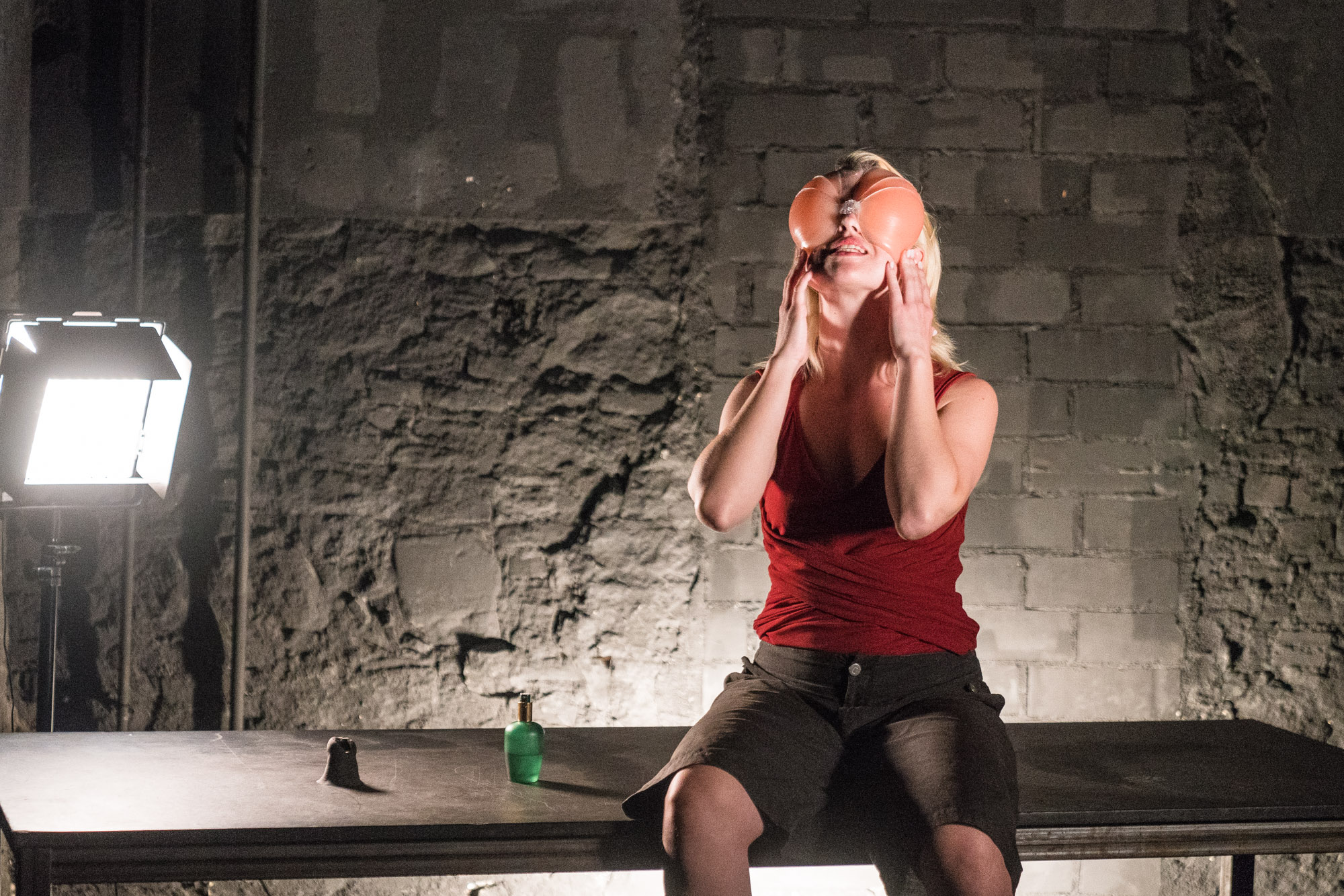
A04
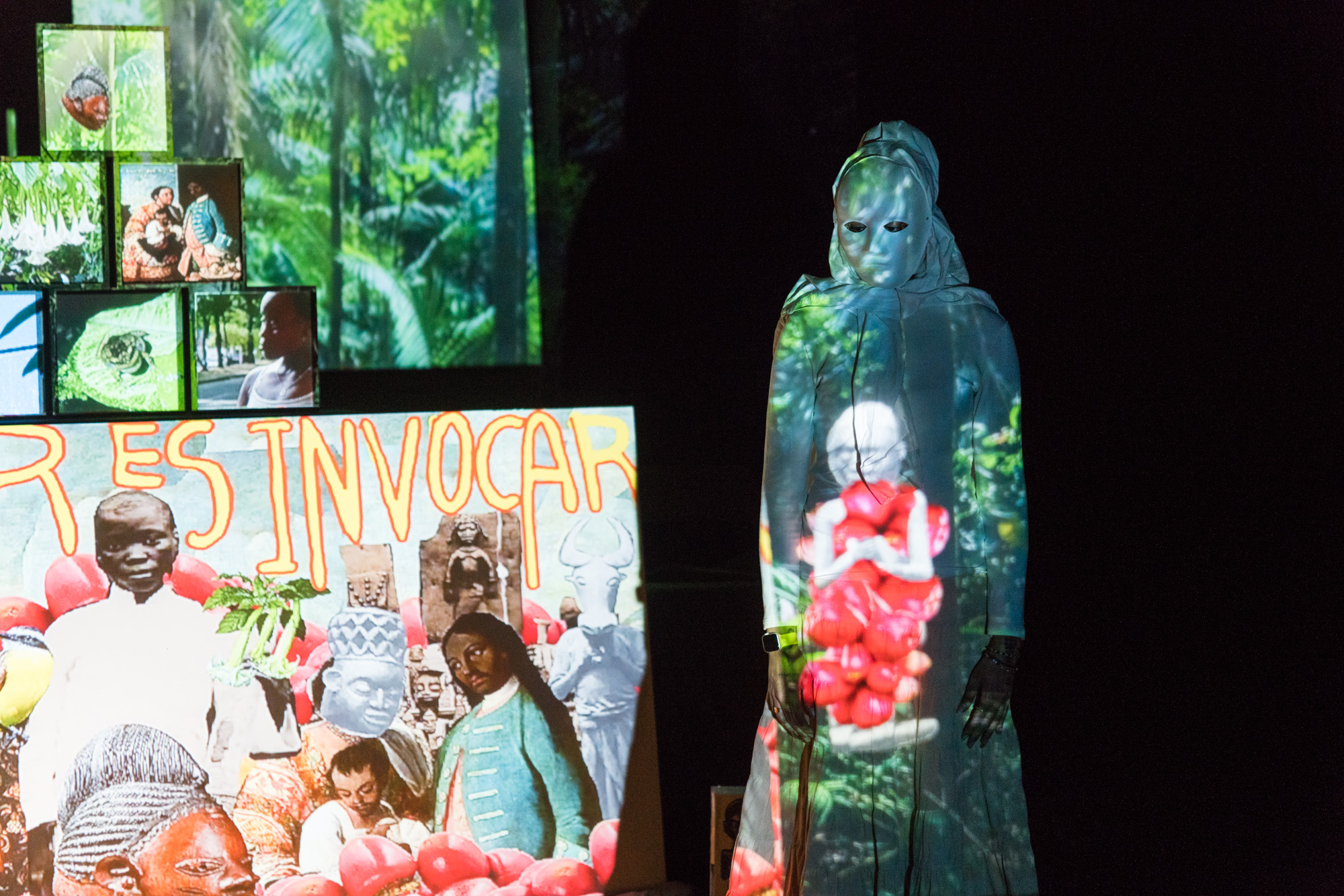
A04
Concept and curatorship: Manuela Valtchanova & Roger Paez
Programmed by Barcelona World Capital of Architecture 2026
Supported by Barcelona Worlds Capital of Architecture 2026
A01: Manuela Valtchanova & Saúl Baeza + GEDI 3rd Year 25-26
A02: Roger Paez & Stella Rahola+ MEATS 25-26
A03: Juan Aritzti + MAIAD 26-26
A04: Cristina Goberna & Grandeza Studio + MCCD 25-26
A05: Julia Carrasco & Elsa Casanovas + Elisava Research
A06: Manuela Valtchanova & Merche Blasco
Images: A01: Ardila, Martina Dedeu, students from 3rd year GEDI Elisava 25-26, A02: Clara Anton, Kris Visnape; A04: students from MCCD 25-26